
Falls prevention starts at the edge of the bed.
LenexaCARE® shows your team when a resident moves to the edge of the bed, before they get up: a chance to get eyes on them, help them to the toilet or bring what they need.
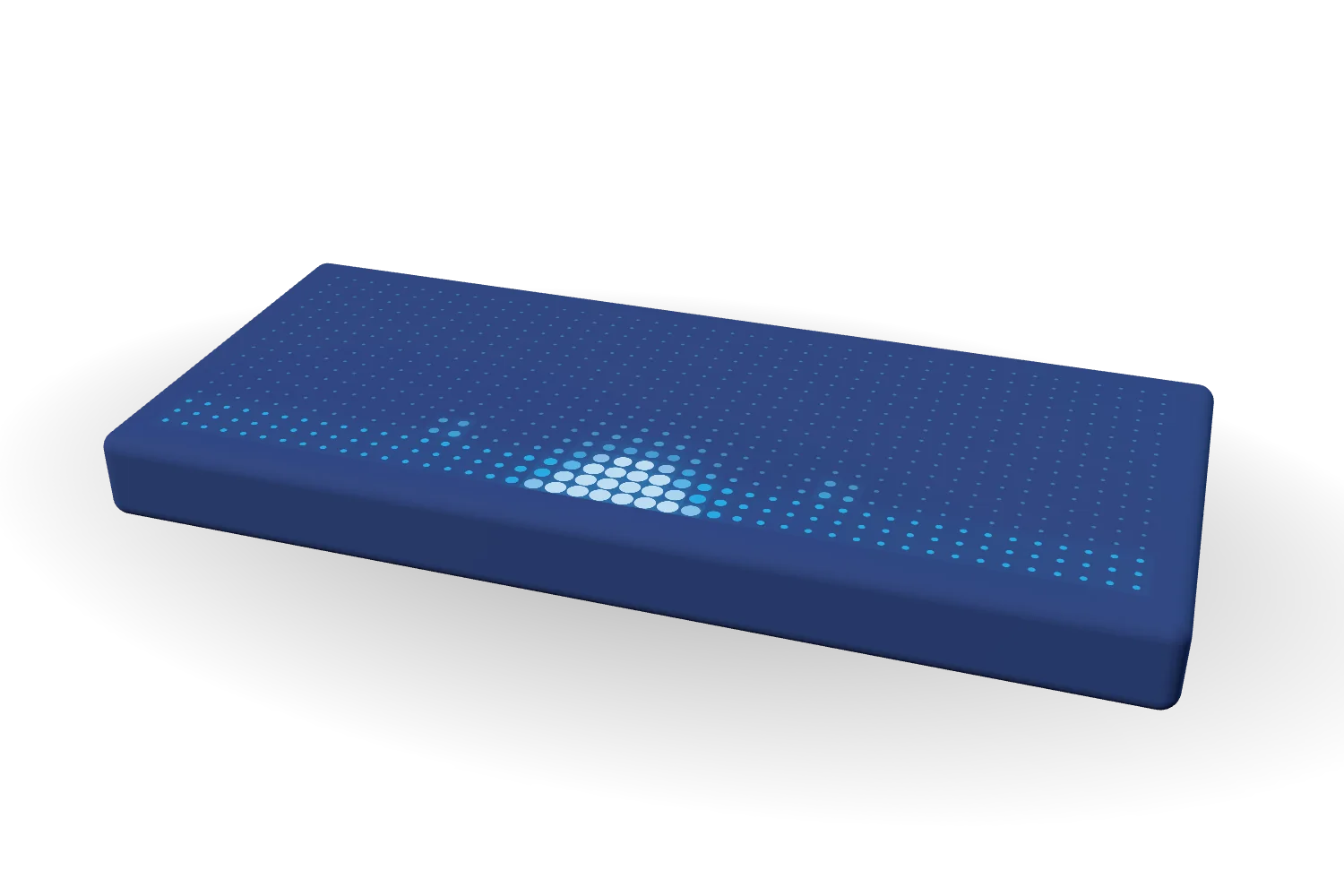
When a resident sits up at the edge of the bed, the alert reaches the station tablet and carers’ phones before an exit.
Illustrative: mattress pressure, not a camera.
- A pre-warning at the edge
- In our monitoring, residents often sat at the edge for 10 to 200 seconds before getting up: a chance to respond.
- The weekly pattern
- The report shows when each resident tends to get up, so your team can plan care around it.
- See why it was sent
- Carers can replay the pressure data behind any alert. No cameras, no wearables.
From each alert to a plan for the night.
31.1% of Australian aged care residents had a fall between January and March 2026.1
The alert: a pre-warning at the edge
When a resident sits up at the edge of the bed, the alert reaches the station tablet and carers’ phones before an exit. Carers can replay the data behind it, so they know why it was sent.
Residents often sat at the edge for 10 to 200 seconds before leaving the bed, in our monitoring data.
Bed Overview
Out of bed
Total: 2
- North · L2 · B5
- South · L3 · 34
Edge of bed
Total: 3
- South · L3 · 41
- North · L2 · B17
- North · L2 · B13
In bed
Total: 8
- North · L2 · B1
- South · L3 · 33
- North · L2 · B3
- South · L3 · 36
- South · L3 · 48
- North · L2 · B12
- North · L2 · B8
- South · L3 · 50
No data
Total: 1
- North · L2 · B20
The pattern: when each resident tends to get up.
The weekly report
Each week, your team sees when each resident tends to get up overnight. A habit that is easy to miss from one shift to the next becomes something you can plan care around.
Room 21 gets up at about 11:30 pm, most nights.
So the team plans a toilet round at 11:15 pm, before Room 21 tries to get up alone.
LenexaCARE® gives the warning and the pattern. Your team decides what to do, alongside falls assessments.
Why the round at 11:15 pm matters.
- 75%
- of more than 70,000 falls in 528 nursing homes happened in residents’ rooms or bathrooms.2
- 11 pm–1 am
- when toilet-related falls peaked, in a hospital study of patients aged 60 and over.3
Ready for your governance.
A static foam mattress, with sensing on the underside of the cover. The same system shows position and time for pressure care.
- Included in the ARTG
- ARTG 384586
- ISO 13485:2016
- Certified QMS
- IEC 60601-1, -1-2
- Safety and EMC tested
- No resident identifiers
- Encrypted, in-country
- HL7/FHIR or standalone
- EMR integration optional
- Offline beds flagged
- Shown as “No data” on the bed overview
The other layers of the same bed.
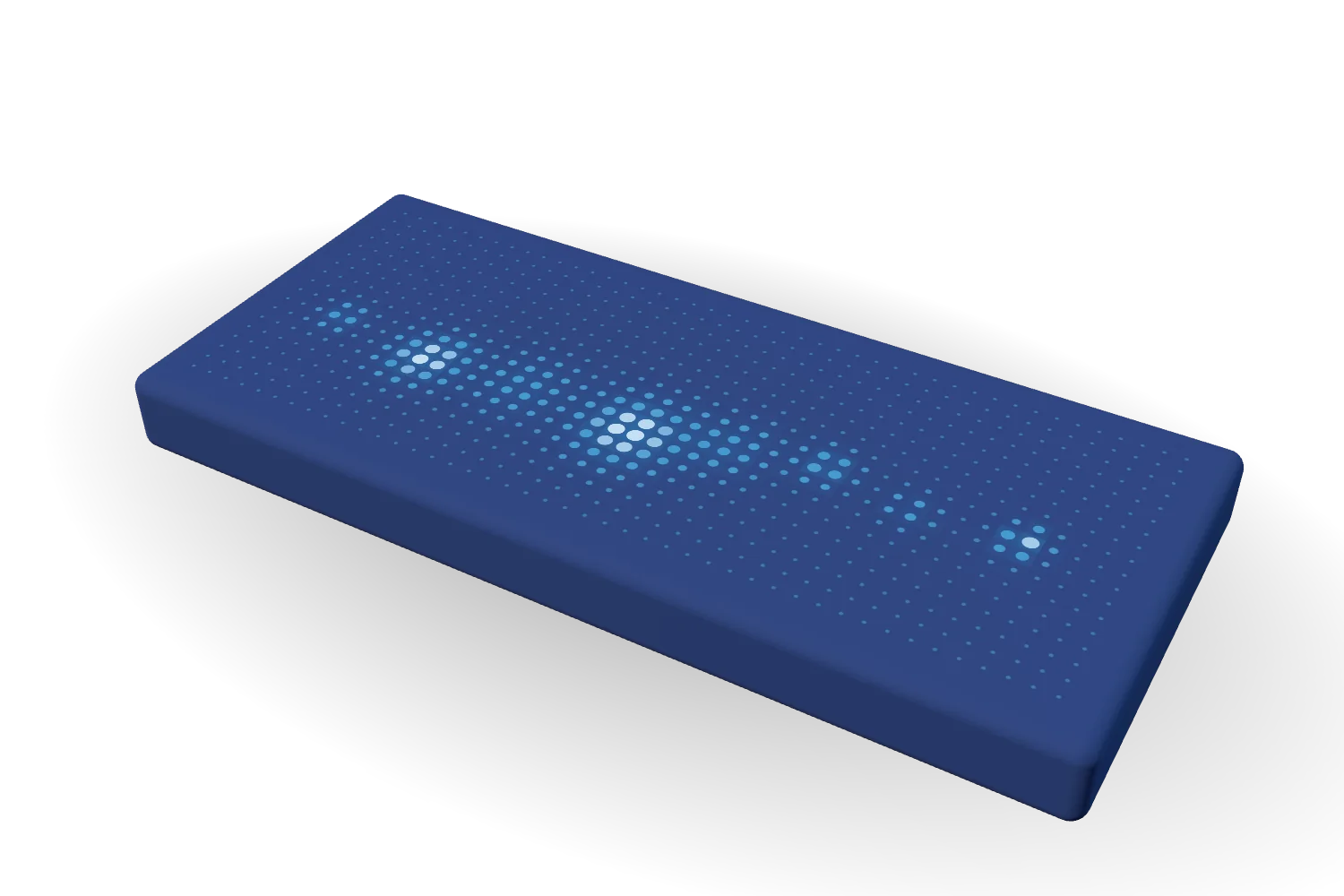 The sensing cover LenexaCARE® Pressure Injury Prevention Fabric sensors in the mattress cover show each person’s position and how long they have held it, against the protocol you set.
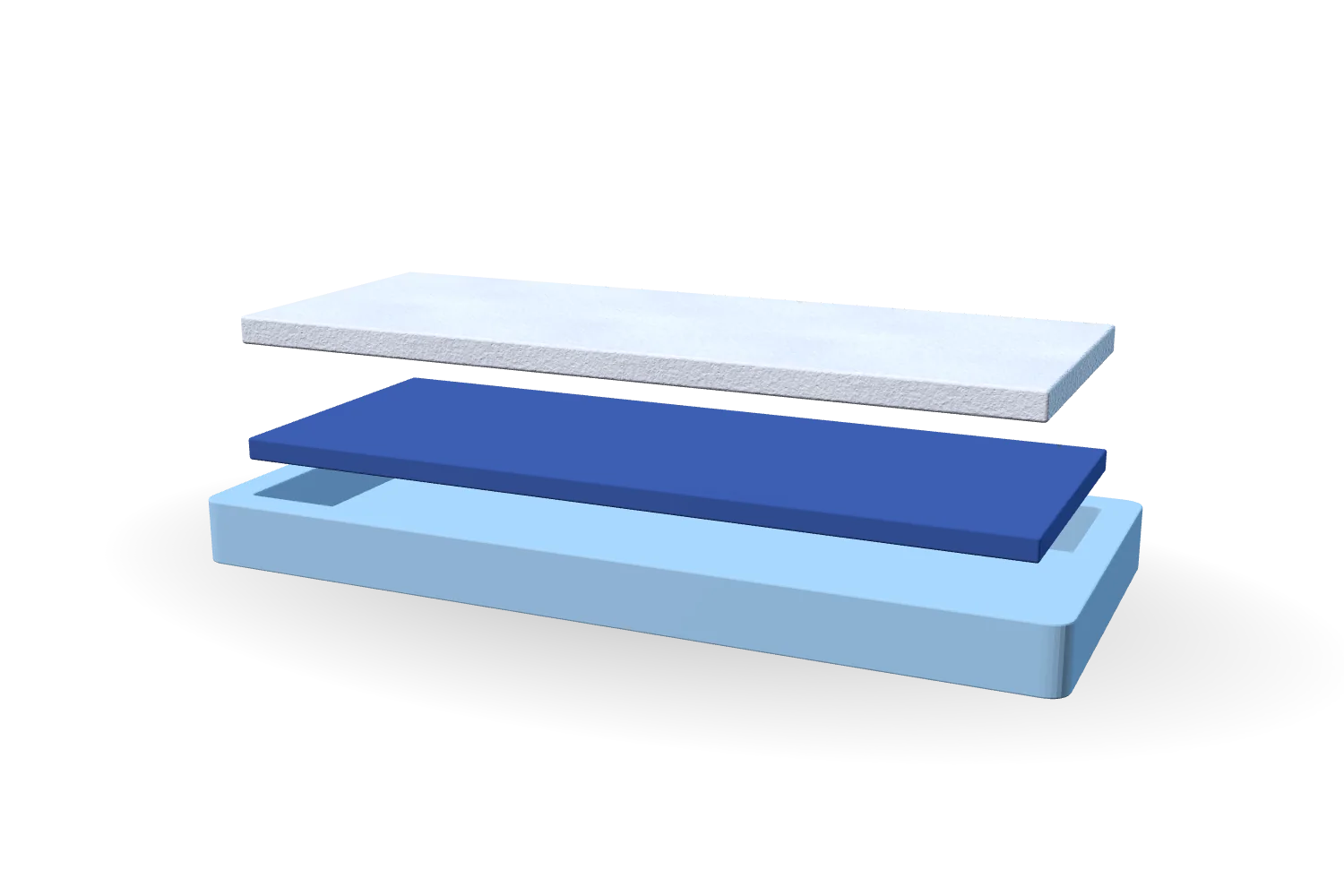 The foundation LenexaCARE® LITE A three-layer, pressure-redistributing foam mattress with firm side walls, for residents at risk of pressure injuries.
Start with one wing. Scale when you’re ready.
- Typically installed and commissioned in 1–2 days
- Clinical and IT training from our team
- Purchase or subscription, with flexible terms
Sources
- Australian Institute of Health and Welfare. Residential Aged Care Quality Indicators, January to March 2026. 2026. Supplementary table 2.1A.
- Rapp K, et al. J Am Med Dir Assoc. 2012;13(2):187.e1–6.
- Rose G, et al. Australas J Ageing. 2020;39(1):e70–e76.